Many find themselves making changes to their habits (image courtesy: Canva)
A student at the University of Exeter says the pressures of the cost of living, mixed with trying to keep a job and interact with peers socially, has had a negative impact on her studies.
Honor Borley, a third-year student studying theology and religion, said money is a very taboo subject, and people tend to keep it internalised, which in turn adds more pressure onto students.
In her first year, she said she picked up extra shifts to be able to afford to socialise with her friends, which affected her academically.
“Instead of only working 8 hours a week, you might do 20 or 30 hours, on top of your studies. I did that in my first year and I absolutely noticed a detrimental impact on my studies.
“Now that I’ve kept it only to eight to 16 hours a week, my grades have gone straight back up again, and I have a lot more academic opportunity.”
However, not working as many hours and in turn having less money has had an impact on other students, especially those coming from more deprived backgrounds.
“It does impact a lot of people that I know, and I think it’s made worse by the fact that no one really talks about it, and if you do, you just look like you’re moaning or you’ve got a chip in your shoulder, which isn’t necessarily a good way of looking at it.”
Miss Borley says rising costs have meant she’s had to change habits and cancel plans to save money.
“Especially over the summer months and off term time, you aren’t able to go out as much, you aren’t able to see your friends as much, trains are very expensive.
“It becomes something that you can’t do simply because you have to save for the term time, social activities and for food and bills.”
Increased costs are something which many students have felt across the board, and it isn’t just the select few.
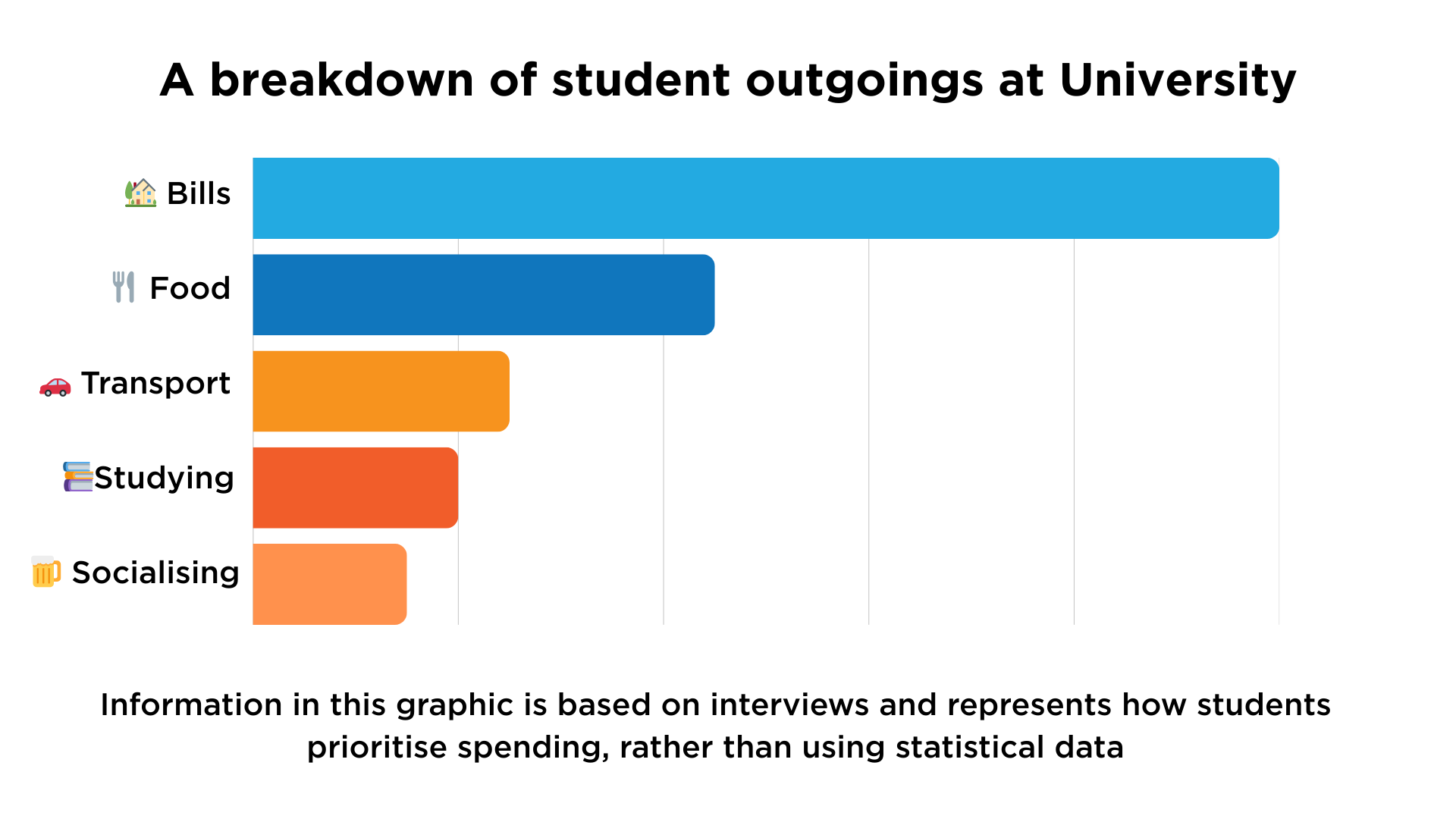
Food is one area where a lot of students are making adaptations.
Thomas Richardson, a third-year student studying history at the university says meals are something he’s had to drastically change.
“I’ve definitely changed what meals I’m having and it’s probably not as nutritionally good for me.
“Things like pasta and sauce are becoming more common – I didn’t have that last year or the year before.
“Not having fresh fish for example and having frozen instead.”
Students have also noticed a lack of support from the university.
Miss Borley explained that one University of Exeter campus has a free fridge, but it’s not accessible for all.
“They put almost out of date bread and fresh produce in there, which I understand that in principle being great, but a lot of students who perhaps won’t have the energy to leave the house because they’re not eating properly.
“I’m fortunate that I’m not in that position, but I know some people that have been. They wouldn’t be able to access it, people who go to main campus wouldn’t be able to access it”
Mr Richardson says he feels as though he’s more aware of how much things cost but has also noticed an increase in prices.
He said: “There is one pub we used to go to and a pint was £4.80. I think the same pint is around £6.70.
“It’s gone up a lot.”
Students also feel like there isn’t a lot of judgement financial help.
Miss Borley continued: “They should do more to offer students who end up in quote difficult financial positions something.
“You have to meet a lot of requirements and that can sometimes be quite hard to prove.”
She also went as far as questioning whether universities are bothered about their student’s financial situation.
“Who knows, do universities really care enough when they pay a chancellor 200-grand a year?”
The University of Exeter was approached for a comment.
Despite the pressures, Miss Borley says there are lots of ways of changing how much students spend and had advice for students in their first year.
“Things are a lot more expensive than you think, and a short trip here or there in a taxi or a coffee really does add up.
“It’s making sure you keep a track of that very early on, so it doesn’t become a habit, and you don’t fall into habits of convenience.
“You might have to make yourself uncomfortable for an hour walk, but it’s worth it to ensure that at the end of the month you have enough money in your pocket.”
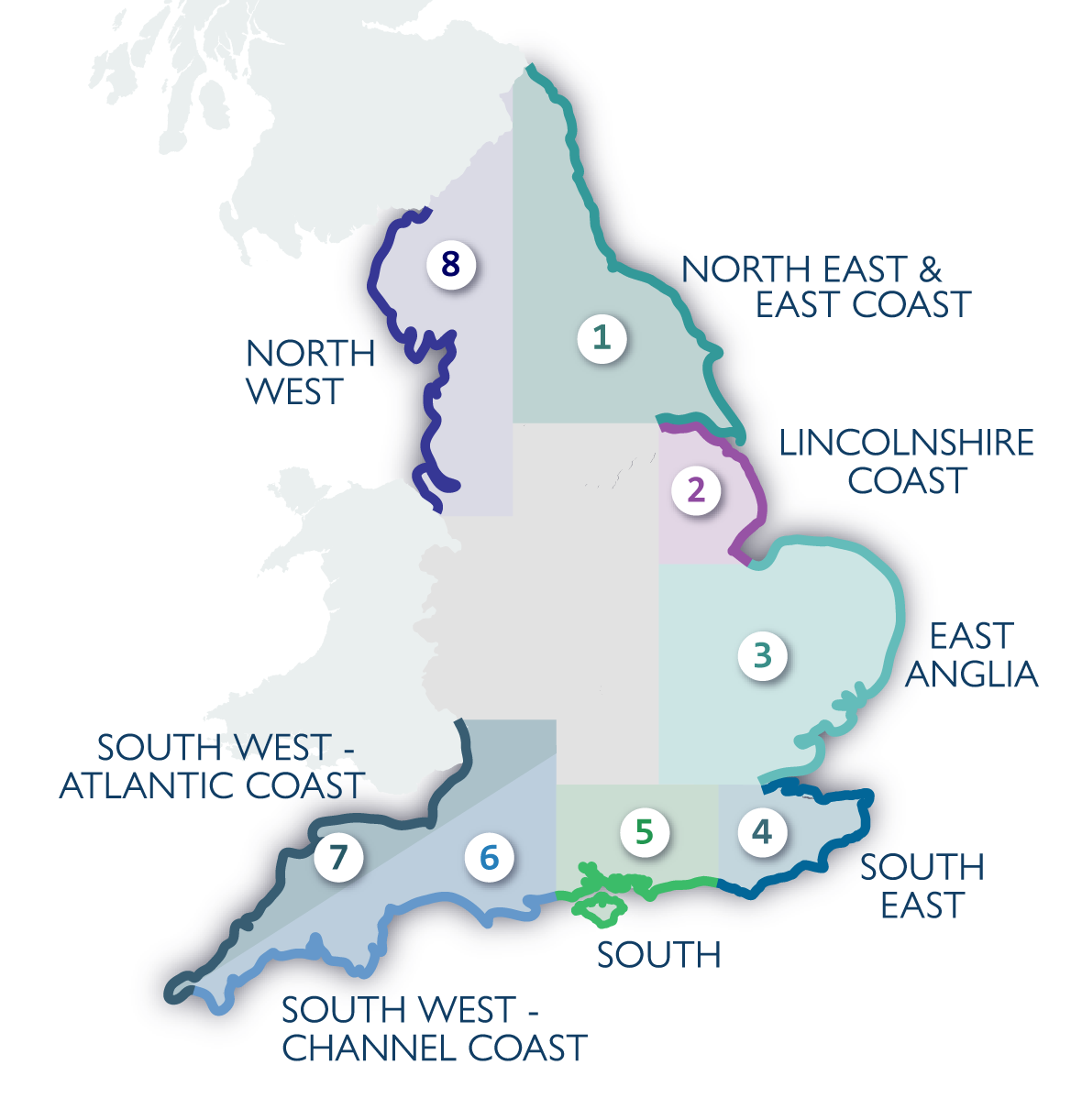 Devon is only county to have two sections on new coast route
 Devon and Cornwall separation 'firmed up'
 Exeter suffers blow in City of Culture bid
 Curry house under review after ‘illegal working’ identified
 £3 million to improve Exeter flood defences
 MP says storm battered community has been overlooked