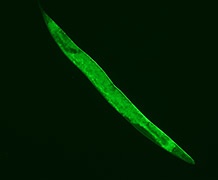
The project is aimed at increasing understanding of the muscle loss suffered by astronauts during space travel.
The tiny worms have muscle physiology and metabolism which is very similar to that of humans.
They will be put into an incubator and taken to the International Space Station, where they'll spend six days before being frozen and eventually returning to earth for analysis.
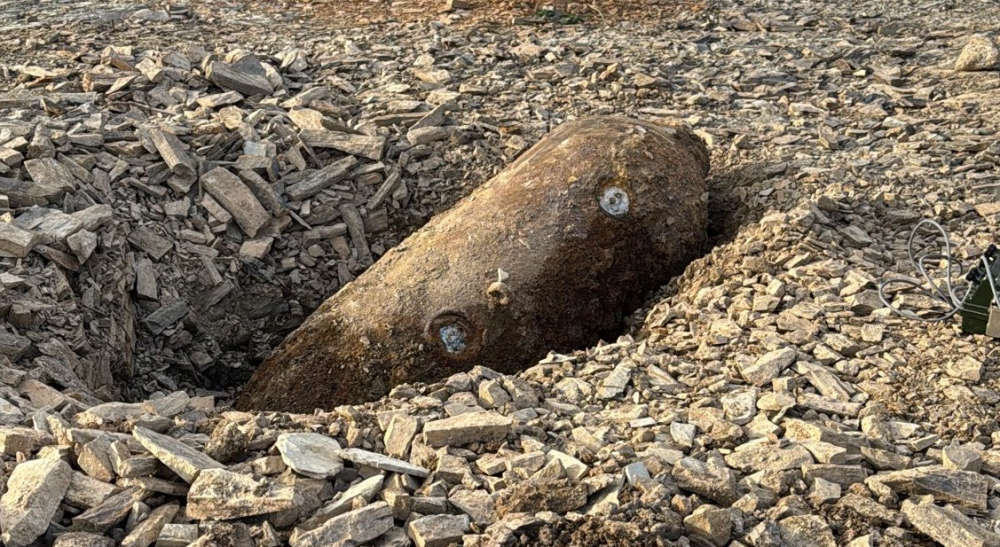 WW2 bomb found in Plymouth to be detonated today
 Man jailed for hiding knife in sock in Barnstaple
 Brixham campsite row ahead of busy weekend
 Ambulance delay highlights Exeter traffic issues
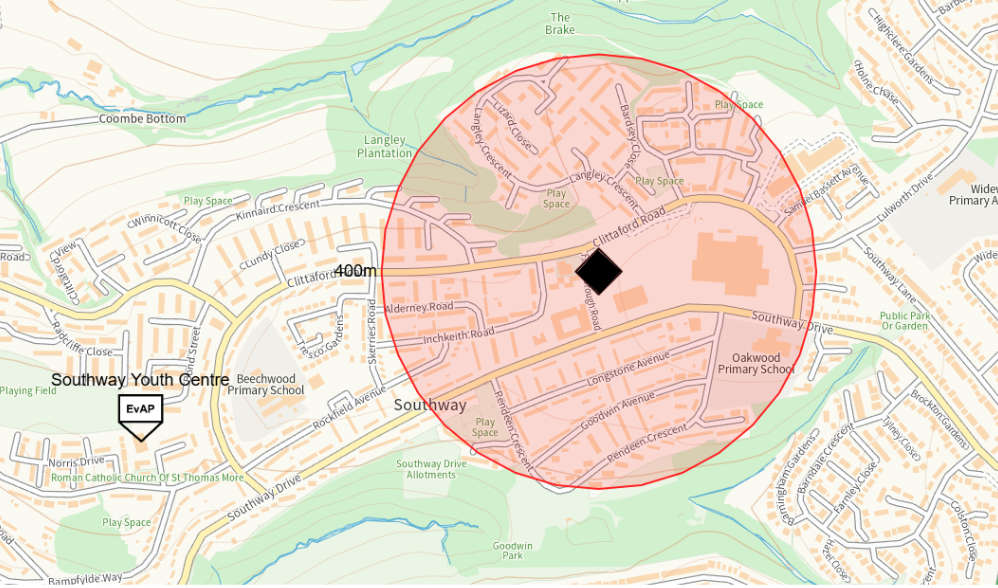 Plymouth streets evacuated after bomb discovery
 Three arrested after Braunton drug bust